The nerve growth factor 35 years later

The nerve growth factor 35 years later

In earlier work, we discovered that nerve growth factor (NGF) induced expression of the mRNA transcript encoding the metalloproteinase transin/stromelysin in PC12 cells. Transin was discovered, furthermore, to be a “late” gene product whose expression correlated with neurites extension.

In this examine, numerous points of the NGF intracellular signaling pathway in PC12 cells are investigated. We present that the protein kinase inhibitor staurosporine, however not numerous different kinase inhibitors, particularly blocked the NGF induction of transin.

Preliminary characterization of this staurosporine-sensitive kinase recommend that it doesn’t correspond to a tyrosine kinase, nor numerous serine kinases, and that it’s concerned each on the transcriptional and posttranscriptional ranges of transin

Antibodies directed in opposition to nerve growth factor (NGF) immunoprecipitate a tyrosine kinase exercise from NGF-treated PC12 rat pheochromocytoma cells. Based on a number of standards, this exercise has been correlated with the high-affinity and never the low-affinity NGF-receptor complicated.

Role of protein kinase exercise in apoptosis

The in vitro kinase exercise and the tyrosine phosphorylation of the high-affinity complicated may be blocked by an agent that inhibits NGF (and never epidermal growth factor)-induced tyrosine phosphorylation in PC12 cells, in addition to NGF-induced neuronal differentiation of PC12 cells. These observations recommend that the high-affinity NGF-receptor complicated is a substrate of tyrosine kinase exercise. Phosphorylation reactions by the complicated, carried out within the absence of added substrate.

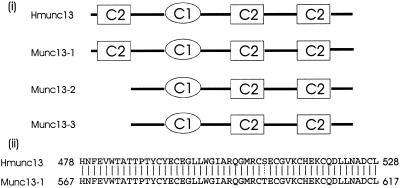
A structural evaluation of the rat low-affinity nerve growth factor (NGF) receptor was undertaken to outline the NGF binding area. Mutant NGF receptor DNA constructs had been expressed in mouse fibroblasts or COS cells, and the flexibility of the mutant receptor to bind NGF was assayed. In the primary mutant, all however 16 amino acid residues of the intracellular area of the receptor had been eliminated. This receptor certain NGF with a Kd corresponding to that of the wild-type receptor.

A second mutant contained solely the 4 cysteine-rich sequences from the extracellular portion of the protein. This mutant was expressed in COS cells and the resultant protein was a secreted soluble type of the receptor that was capable of bind NGF.

Two N-terminal deletions, through which both the primary cysteine-rich sequence of the primary and a part of the second cysteine-rich sequences had been eliminated, certain NGF. However, a mutant missing all 4 cysteine-rich sequences was unable to bind NGF. These outcomes present that the 4 cysteine-rich sequences of the NGF receptor comprise the NGF binding area.

The impact of age on dendrites within the rat superior cervical ganglion.

Intracellular injection of a biotinylated probe in fastened superior cervical ganglia adopted by confocal microscopy was used to research the consequences of age on the dendritic arborisation of sympathetic neurons in rats aged 6 wk (younger grownup), 7 months (totally grown grownup) and 24 months (aged).

In accordance with different research appreciable dendritic growth was noticed throughout postnatal growth. However, in previous age dendritic growth didn’t proceed, and important atrophy was noticed. Quantitation of neuronal morphology confirmed important reductions in soma measurement, complete dendritic size, variety of department factors and complete space of dendritic arborisation in previous age. Unexpectedly, important reductions within the numbers of major dendrites had been noticed.

Increased Protein Tyrosine Phosphorylation in Apoptotic Neural Cell Death Due to Microtubule Perturbations

We studied the consequences of pure ceramide and a collection of ceramide analogs with completely different acyl chain lengths on the exercise of rat mind protein kinase C (PKC) and on the construction of bovine liver phosphatidylcholine (BLPC)/dipalmitoylphosphatidylcholine (DPPC)/dipalmitoylphosphatidylserine (DPPS) (3:1:1 molar ratio) bilayers utilizing (2)H-NMR and particular enzymatic assays within the absence or presence of seven.5 mol % diolein (DO). Only a slight activation of PKC was noticed upon addition of the short-chain ceramide analogs (C(2)-, C(6)-, or C(8)-ceramide); pure ceramide or C(16)-ceramide had no impact. In the presence of seven.5 mol % DO, pure ceramide and C(16)-ceramide analog barely attenuated DO-enhanced PKC exercise. (2)H-NMR outcomes demonstrated.

Lymphoproliferation disorder in mice explained by defects in Fas antigen that mediates apoptosis

Lymphoproliferation disorder in mice explained by defects in Fas antigen that mediates apoptosis

Fas antigen is a cell-surface protein that mediates apoptosis. It is expressed in assorted tissues along with the thymus and has structural homology with lots of cell-surface receptors, along with tumour necrosis problem receptor and nerve growth problem receptor. Mice carrying the lymphoproliferation (lpr) mutation have defects in the Fas antigen gene.

Lymphoproliferation disorder in mice explained by defects in Fas antigen that mediates apoptosis

The lpr mice develop lymphadenopathy and endure from a systemic lupus erythematosus-like autoimmune sickness, indicating an very important place for Fas antigen in the unfavourable alternative of autoreactive T cells in the thymus.

Somatic hypermutation significantly modifies rearranged

Somatic hypermutation significantly modifies rearranged immunoglobulin (Ig) genes in germinal coronary heart (GC) B cells. However, the bcl-6 gene may even buy somatic mutations in the course of the GC response, indicating that certain non-Ig genes could also be centered by the somatic hypermutation gear.

The CD95 gene, implicated in unfavourable alternative of B lymphocytes in GCs, is especially expressed by GC B cells and was simply currently acknowledged as a tumor suppressor gene being ceaselessly mutated in (publish) GC B cell lymphomas.

In this look at, the 5′ space (5’R) and/or the ultimate exon coding for the dying space (DD) of the CD95 gene have been investigated in naive, GC, and memory B cells from seven healthful donors. About 15% of GC and memory, nevertheless not naive, B cells carried mutations contained in the 5’R (mutation frequency 2.5 x 10(-4) per basepair).

Mutations contained in the DD have been very unusual nevertheless might probably be successfully chosen by inducing CD95-mediated apoptosis: in 22 apoptosis-resistant cells, 12 DD mutations have been found.

These outcomes level out that human B cells should buy somatic mutations of the CD95 gene in the course of the GC response, which most likely confers apoptosis resistance and can counteract unfavourable alternative by manner of the CD95 pathway.

Expression of the adenovirus E1A oncogene induces apoptosis which impedes every the transformation of main rodent cells and productive adenovirus an an infection of human cells. Coexpression of E1A with the E1B 19,000-molecular-weight protein (19Okay protein) or the Bcl-2 protein, every of which have antiapoptotic train, is necessary for atmosphere pleasant transformation.

Induction of apoptosis by E1A in rodent cells is mediated by the p53 tumor suppressor gene, and every the E1B 19Okay protein and the Bcl-2 protein can overcome this p53-dependent apoptosis.

The helpful similarity between Bcl-2 and the E1B 19Okay protein steered that they might act by comparable mechanisms and that Bcl-2 would possibly complement the requirement for E1B 19Okay expression all through productive an an infection. Infection of human HeLa cells with E1B 19Okay loss-of-function mutant adenovirus produces apoptosis characterised by enhanced cytopathic outcomes (cyt phenotype) and degradation of host cell chromosomal DNA and viral DNA (deg phenotype).

Failure to inhibit apoptosis outcomes in premature host cell dying, which impairs virus yield. HeLa cells categorical terribly low ranges of p53 as a consequence of expression of human papillomavirus E6 protein.

Levels of p53 have been significantly elevated by E1A expression all through adenovirus an an infection. Therefore, E1A would possibly induce apoptosis by overriding the E6-induced degradation of p53 and promoting p53 accumulation.

Stable Bcl-2 overexpression in HeLa cells contaminated with the E1B 19Okay- mutant adenovirus blocked the induction of the cyt and deg phenotypes. Expression of Bcl-2 in HeLa cells moreover conferred resistance to apoptosis mediated by tumor necrosis problem alpha and Fas antigen, which can be a longtime function of the E1B 19Okay protein.

Expression of the adenovirus E1A oncogene induces

A comparability of the amino acid sequences of Bcl-2 family members and that of the E1B 19Okay protein indicated that there was restricted amino acid sequence homology between the central conserved domains of E1B 19Okay and Bcl-2. This space of the E1B 19Okay protein is significant in transformation and regulation of apoptosis, as determined by mutational analysis.

The restricted sequence homology and helpful equivalency provided extra proof that the Bcl-2 and E1B 19Okay proteins would possibly possess related mechanisms of movement and that the E1B 19Okay protein would be the adenovirus equal of the cell Bcl-2 protein.

Huge apoptosis in T cells after repeated in vitro T cell receptor

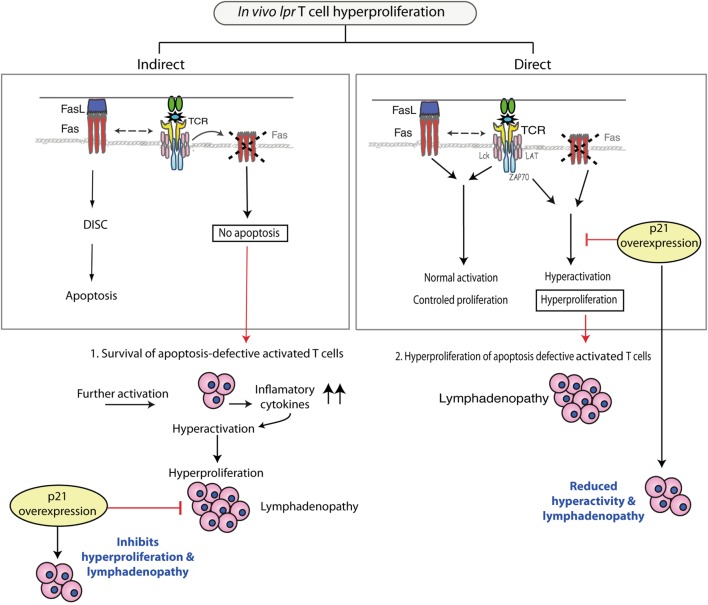
Fas induces large apoptosis in T cells after repeated in vitro T cell receptor (TCR) stimulation and is necessary for lymphocyte homeostasis in Fas-deficient (lpr) mice. Although the in vitro Fas apoptotic mechanism has been outlined, there is a large conceptual gap between this in vitro phenomenon and the pathway that outcomes in in vivo progress of lymphadenopathy and autoimmunity. A putting abnormality in lpr mice is the intense proliferation of CD4+ and CD8+ T cells, and further so of the double-negative TCR+CD4-CD8-B220+ T cells.

The basis of lpr T cell hyperproliferation stays elusive, as a result of it could actually’t be explained by Fas-deficient apoptosis. T cell-directed p21 overexpression reduces hyperactivation/hyperproliferation of all lpr T cell subtypes and lymphadenopathy in lpr mice. p21 controls progress of repeatedly stimulated T cells with out affecting apoptosis. These outcomes confirm a direct hyperlink

Molecular cloning and expression of the Fas ligand, a novel member of the tumor necrosis factor family

Molecular cloning and expression of the Fas ligand, a novel member of the tumor necrosis factor family

The Fas antigen (Fas) belongs to the tumor necrosis factor (TNF)/nerve progress factor receptor family, and it mediates apoptosis. Using a soluble type of mouse Fas, ready by fusion with human immunoglobulin Fc, Fas ligand was detected on the cell floor of a cytotoxic T cell hybridoma, PC60-d10S. A cell inhabitants that extremely expresses Fas ligand was sorted utilizing a fluorescence-activated cell sorter, and its cDNA was remoted from the sorted cells by expression cloning.

Molecular cloning and expression of the Fas ligand, a novel member of the tumor necrosis factor family

The amino acid sequence indicated that Fas ligand is a sort II transmembrane protein that belongs to the TNF family. The recombinant Fas ligand expressed in COS cells induced apoptosis in Fas-expressing goal cells. Northern hybridization revealed that Fas ligand is expressed in activated splenocytes and thymocytes, in step with its involvement in T cell-mediated cytotoxicity and in a number of nonlymphoid tissues, resembling testis.

The normal semen evaluation is the first line and the hottest laboratory check in the analysis of male fertility. It evaluates sperm focus, motility, morphology and their vitality. However, it’s well-known that ordinary outcomes of semen evaluation can’t exclude males from the causes of {couples}’ infertility.

One of the most essential parameters of sperm in its fertilizing potential is “Sperm chromatin integrity” that has direct constructive correlation with Assisted Reproductive Techniques (ART) outcomes together with; fertilization charge, embryo high quality, being pregnant and profitable supply charge. It appears that sperm DNA chromatin integrity gives higher diagnostic and prognostic approaches than normal semen parameters. For these causes under-standing the sperm chromatin construction.

Fas ligand (FasL) is a member of the tumor necrosis factor family and induces apoptosis in Fas (CD95)-bearing goal cells. In this examine, we generated a number of mAbs that react with mouse FasL (mFasL) and characterised their useful properties. One of these mAbs, Ok10, particularly reacted with mFasL derived from C57BL/6 (B6) mice, however not that from BALB/c mice as estimated by floor staining and blocking of cytotoxic actions of mFasL transfectants, suggesting a polymorphism of mFasL. Sequence evaluation of mFasL cDNA from a number of strains revealed that BALB/c and DBA/2 mice have three nucleotide variations from the identified B6 and C3H sequences.

This report investigates the response of CD8(+) T cells to antigens introduced by B cells. When C57BL/6 mice had been injected with syngeneic B cells coated with the Kb-restricted ovalbumin (OVA) determinant OVA257-264, OVA-specific cytotoxic T lymphocyte (CTL) tolerance was noticed. To examine the mechanism of tolerance induction, in vitro-activated CD8(+) T cells from the Kb-restricted, OVA-specific T cell receptor transgenic line OT-I (OT-I cells) had been cultured for 15 h with antigen-bearing B cells, and their survival was decided. Antigen recognition led to the killing of the B cells and, surprisingly, to the dying of a massive proportion of the OT-I CTLs.

The chimeric receptors had been ready by exchanging the cytoplasmic area between leukemia inhibitory factor (LIF) receptor alpha subunit (gp190) and the different subunit-gp130 (190/130,130/190) and individually transduced into leukemia line HL-60 (to have the wild sort subunit).

Advantages of utilizing this mammalian expression system

The function is to research which subunit for activating MAPK p42/44 in leukemia cell whereas the cytoplasmic area homodimerization (190cyt-190cyt, 130cyt-130cyt) was induced by LIF. The outcomes confirmed that MAPK p42/44 expression degree after LIF stimulation 5 h was decrease in the transformants with pED 130/190 (190cyt- 190cyt) (p < 0.01) and greater in the transformants with pED 190/130 (130cyt- 130cyt) (p < 0.05) than these in the father or mother cells. Meanwhile, MAPK p42/44 phosphorylation (Thr202/Tyr204) The distal cytoplasmic motifs of leukemia inhibitory factor receptor α-chain (LIFRα-CT3) can independently induce intracellular myeloid differentiation in acute myeloid leukemia (AML) cells by gene transfection; nonetheless, there are important limitations in the potential medical use of these motifs as a consequence of liposome-derived genetic modifications.

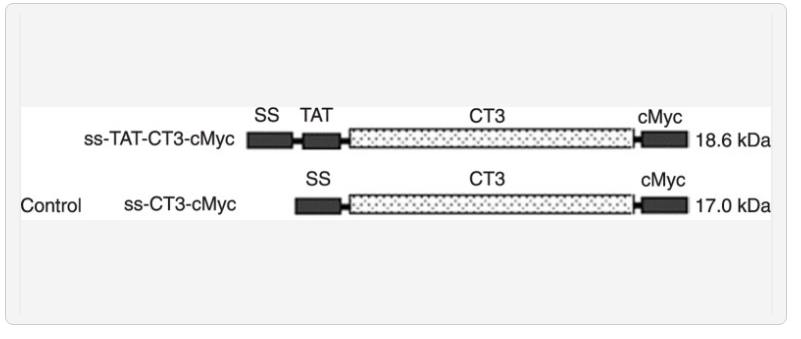
To produce a doubtlessly therapeutic LIFRα-CT3 with cell-permeable exercise, we constructed a eukaryotic expression pcDNA3.0-TAT-CT3-cMyc plasmid with a sign peptide (ss) inserted into the N-terminal that codes for an ss-TAT-CT3-cMyc fusion protein. The secure transfection of Chinese hamster ovary (CHO) cells through this vector and subsequent choice by Geneticin resulted in cell traces that specific and secrete TAT-CT3-cMyc.

The spent medium of pcDNA3.0-TAT-CT3-cMyc-transfected CHO cells might be purified utilizing a cMyc-epitope-tag agarose affinity chromatography column and might be detected through SDS-PAGE, with antibodies towards cMyc-tag. The direct administration of TAT-CT3-cMyc to HL-60 cell tradition media precipitated the enrichment of CT3-cMyc in the cytoplasm and nucleus inside 30 min and led to a important discount of viable cells (P < 0.05) eight h after publicity.

The benefits of utilizing this mammalian expression system embrace the ease of producing TAT fusion proteins which are adequately transcripted and the potential for a sustained manufacturing of such proteins in vitro for future AML remedy.

The distal cytoplasmic motifs of leukemia inhibitory factor receptor α-chain (LIFRα-CT3) can independently induce intracellular myeloid differentiation in acute myeloid leukemia (AML) cells by gene transfection; nonetheless, there are important limitations in the potential medical use of these motifs as a consequence of liposome-derived genetic modifications.

To produce a doubtlessly therapeutic LIFRα-CT3 with cell-permeable exercise, we constructed a eukaryotic expression pcDNA3.0-TAT-CT3-cMyc plasmid with a sign peptide (ss) inserted into the N-terminal that codes for an ss-TAT-CT3-cMyc fusion protein.

The secure transfection of Chinese hamster ovary (CHO) cells through this vector and subsequent choice by Geneticin resulted in cell traces that specific and secrete TAT-CT3-cMyc. The spent medium of pcDNA3.0-TAT-CT3-cMyc-transfected CHO cells might be purified utilizing a cMyc-epitope-tag agarose affinity chromatography column and might be detected through SDS-PAGE, with antibodies towards cMyc-tag.

The direct administration of TAT-CT3-cMyc to HL-60 cell tradition media precipitated the enrichment of CT3-cMyc in the cytoplasm and nucleus inside 30 min and led to a important discount of viable cells (P < 0.05) eight h after publicity.

The benefits of utilizing this mammalian expression system embrace the ease of producing TAT fusion proteins which are adequately transcripted and the potential for a sustained manufacturing of such proteins in vitro for future AML remedy.

Establishment of a noradrenergic clonal line of rat adrenal pheochromocytoma cells which respond to nerve growth factor

Establishment of a noradrenergic clonal line of rat adrenal pheochromocytoma cells which respond to nerve growth factor

A single cell clonal line which responds reversibly to nerve growth factor (NGF) has been established from a transplantable rat adrenal pheochromocytoma. This line, designated PC12, has a homogeneous and near-diploid chromosome quantity of 40. By 1 week’s publicity to NGF, PC12 cells stop to multiply and start to prolong branching varicose processes related to these produced by sympathetic neurons in main cell tradition. By a number of weeks of publicity to NGF, the PC12 processes attain 500-1000 mum in size.

Establishment of a noradrenergic clonal line of rat adrenal pheochromocytoma cells which respond to nerve growth factor

Removal of NGF is adopted by degeneration of processes inside 24 hr and by resumption of cell multiplication inside 72 hr. PC12 cells grown with or with out NGF include dense core chromaffin-like granules up to 350 nm in diameter. The NGF-treated cells additionally include small vesicles which accumulate in course of varicosities and endings. PC12 cells synthesize and retailer the catecholamine neurotransmitters dopamine and norepinephrine.

The ranges (per mg of protein) of catecholamines and of the their artificial enzymes in PC12 cells are comparable to or increased than these present in rat adrenals. NGF-treatment of PC12 cells leads to no change within the ranges of catecholamines or of their artificial enzymes when expressed on a per cell foundation, however does lead to a 4- to 6-fold lower in ranges when expressed on a per mg of protein foundation.

PC12 cells don’t synthesize epinephrine and can’t be induced to accomplish that by remedy with dexamethasone. The PC12 cell line must be a helpful mannequin system for neurobiological and neurochemical research.

Mice carrying the lymphoproliferation

Fas antigen is a cell-surface protein that mediates apoptosis. It is expressed in varied tissues together with the thymus and has structural homology with a quantity of cell-surface receptors, together with tumour necrosis factor receptor and nerve growth factor receptor.

Mice carrying the lymphoproliferation (lpr) mutation have defects within the Fas antigen gene. The lpr mice develop lymphadenopathy and endure from a systemic lupus erythematosus-like autoimmune illness, indicating an vital position for Fas antigen within the damaging choice of autoreactive T cells within the thymus.

Somatic hypermutation particularly modifies rearranged immunoglobulin (Ig) genes in germinal heart (GC) B cells. However, the bcl-6 gene may also purchase somatic mutations through the GC response, indicating that sure non-Ig genes may be focused by the somatic hypermutation equipment.

The CD95 gene, implicated in damaging choice of B lymphocytes in GCs, is particularly expressed by GC B cells and was lately recognized as a tumor suppressor gene being regularly mutated in (put up) GC B cell lymphomas. In this examine, the 5′ area (5’R) and/or the final exon coding for the dying area (DD) of the CD95 gene had been investigated in naive, GC, and reminiscence B cells from seven wholesome donors. About 15% of GC and reminiscence, however not naive, B cells carried mutations inside the 5’R (mutation frequency 2.5 x 10(-4) per basepair).

Mutations inside the DD had been very uncommon however could possibly be effectively chosen by inducing CD95-mediated apoptosis: in 22 apoptosis-resistant cells, 12 DD mutations had been discovered. These outcomes point out that human B cells can purchase somatic mutations of the CD95 gene through the GC response, which doubtlessly confers apoptosis resistance and should counteract damaging choice by the CD95 pathway.

Mouse anti-Fas monoclonal antibody

Fas antigen is a cell-surface protein that mediates apoptosis. It is expressed in varied tissues together with the thymus and has structural homology with a quantity of cell-surface receptors, together with tumour necrosis factor receptor and nerve growth factor receptor. Mice carrying the lymphoproliferation (lpr) mutation have defects within the Fas antigen gene. The lpr mice develop lymphadenopathy and endure from a systemic lupus erythematosus-like autoimmune illness, indicating an vital position for Fas antigen within the damaging choice of autoreactive T cells within the thymus.

Mouse anti-Fas monoclonal antibody has a cytolytic exercise on human cells that specific the antigen. Complementary DNAs encoding the cell floor antigen Fas had been remoted from a cDNA library of human T cell lymphoma KT-3 cells. The nucleotide sequence of the cDNAs revealed that the molecule coding for the Fas antigen determinant is a 319 amino acid polypeptide (Mr 36,000) with a single transmembrane area.

The extracellular area is wealthy in cysteine residue, and exhibits a similarity to that of human tumor necrosis factor receptors, human nerve growth factor receptor, and human B cell antigen CD40. Murine WR19L cells or L929 cells reworked with the human Fas antigen cDNA had been killed by the anti-Fas antibody within the course of often called apoptosis.

Bone marrow stromal cells exhibit a number of traits of a stem cell inhabitants. They may be vastly expanded in vitro and induced to differentiate into a number of mesenchymal cell varieties. However, differentiation to non-mesenchymal fates has not been demonstrated. Here, grownup rat stromal cells had been expanded as undifferentiated cells in tradition for greater than 20 passages, indicating their proliferative capability. A easy remedy protocol induced the stromal cells to exhibit a neuronal phenotype, expressing neuron-specific enolase, NeuN, neurofilament-M, and tau.

With an optimum differentiation protocol, nearly 80% of the cells expressed NSE and NF-M. The refractile cell our bodies prolonged lengthy processes terminating in typical growth cones and filopodia. The differentiating cells expressed nestin, attribute of neuronal precursor stem cells, at 5 hr, however the trait was